Emulsifiers: Secret Active Ingredients for Achieving Perfectly Mixed Solutions
Emulsifiers play a crucial role in producing secure mixtures of immiscible liquids, such as oil and water. Their one-of-a-kind residential properties allow them to minimize surface area stress, which is important for uniformity in numerous solutions. Understanding the differences between artificial and all-natural emulsifiers can affect product quality significantly. As industries significantly look for to boost texture and service life, the selection process for the ideal emulsifier becomes extremely important. What aspects should be thought about in this critical choice?
Comprehending Emulsifiers: What They Are and Exactly how They Function
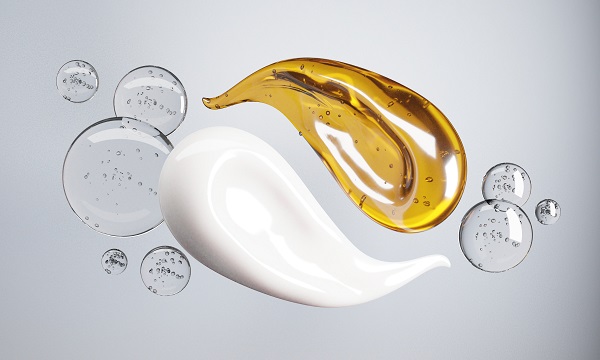
Emulsifiers may appear like a straightforward enhancement to solutions, they play a vital duty in supporting mixtures of ingredients that typically do not blend well, such as oil and water. These compounds work by decreasing surface stress at the interface between immiscible liquids, permitting them to blend even more consistently. Emulsifiers consist of both hydrophilic (water-attracting) and lipophilic (oil-attracting) residential properties, which enable them to secure themselves at the limit of the 2 phases. By doing so, they develop a safety obstacle that prevents the droplets of one fluid from coalescing into larger masses, therefore keeping a steady solution. The efficiency of an emulsifier relies on its molecular structure, which affects its capability to maintain combinations. In numerous applications, from foodstuff to cosmetics, emulsifiers assure a constant structure and appearance, boosting both performance and customer charm. Their value can not be overemphasized in accomplishing well-blended formulations.
Sorts of Emulsifiers: Artificial vs. all-natural
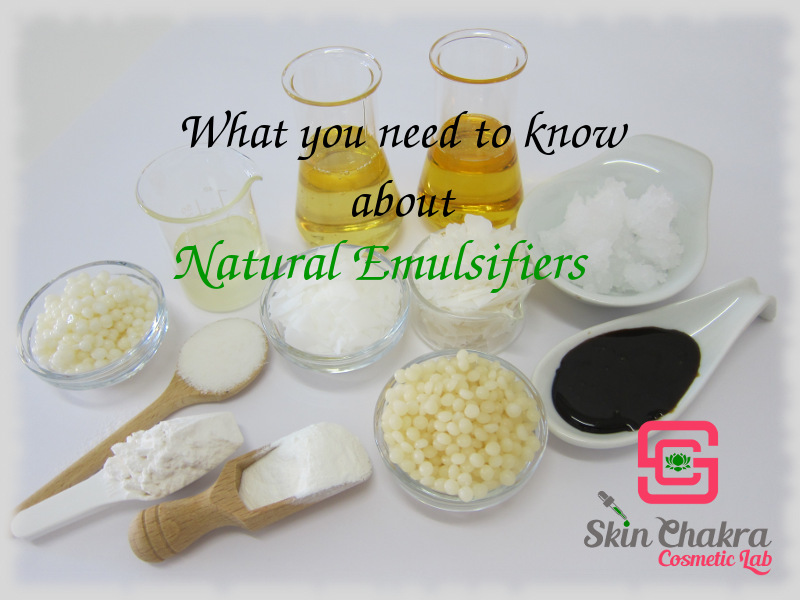
Emulsifiers can be generally categorized into 2 types: artificial and all-natural, each offering unique advantages and applications. Natural emulsifiers, originated from plant or animal resources, consist of lecithin, casein, and gum arabic (emulsifiers). These emulsifiers are often favored in clean-label and natural products as a result of their minimal processing and biocompatibility. Their gentle nature makes them appropriate for delicate formulas, specifically in food and cosmetics

On the other hand, synthetic emulsifiers such as mono- and diglycerides, and polysorbates are made with chemical procedures. They are generally made use of in commercial applications because of their stability and performance in producing emulsions. Artificial emulsifiers often show superior performance in extreme conditions, such as high temperature levels or differing pH degrees. The choice between natural and artificial emulsifiers largely depends on the particular formula demands, regulative considerations, and consumer preferences, affecting their efficient application in various markets.
Features of Emulsifiers in Food and Cosmetic Formulas
The duty of emulsifiers expands past plain stablizing; they are basic in attaining the wanted texture, rack, and appearance life of food and cosmetic products. In food formulations, emulsifiers assist mix oil and water, creating smooth and uniform textures vital for sauces, dressings, and dairy products. They reduce surface area stress, improving the stability of solutions, which protects against splitting up and extends freshness.
In cosmetics, emulsifiers guarantee that ingredients, such as oils and water, mix flawlessly, boosting and supplying an enjoyable feel application. emulsifiers. They add to the product's viscosity and spreadability, crucial for lotions, creams, and creams. In addition, emulsifiers can encapsulate active components, enhancing their distribution and efficiency in formulations. By regulating structure and boosting sensory qualities, emulsifiers play an important duty in conference consumer assumptions in Discover More Here both food and cosmetic markets, ensuring products are not just appealing yet also functionally effective
Picking the Right Emulsifier for Your Product
In addition, the target application-- whether for food, cosmetics, or pharmaceuticals-- will affect the choice. For example, food-grade emulsifiers should abide by safety and security guidelines, while cosmetic emulsifiers might require skin compatibility. Examining factors such as HLB (Hydrophilic-Lipophilic Equilibrium) aids in anticipating emulsifier actions in particular solutions. Eventually, a comprehensive analysis of both functional demands and governing considerations is vital to pick one of the most effective emulsifier, guaranteeing the final product meets the desired high quality and security standards.
Tips for Effective Emulsion Formation and Security
Attaining successful solution development and stability requires cautious attention to numerous crucial aspects. Initially, the selection of emulsifier plays a pivotal duty; it must work with the oil and water phases to ensure efficient stabilization. Second, the proportion of oil to water must be well balanced, as an inappropriate proportion can cause instability. Third, the blending procedure needs to be managed; high shear mixing can assist accomplish smaller droplet sizes, enhancing stability.
Temperature additionally affects solution stability; maintaining suitable temperatures throughout solution protects against early separation. Additionally, integrating stabilizers such as thickeners can even more boost thickness, lowering the likelihood of phase splitting up. Finally, performing detailed stability examinations after formula will certainly assist determine potential problems, allowing for changes prior navigate to these guys to last production. By adhering to these standards, formulators can attain regular and reputable solutions that keep their desired buildings in time.
Regularly Asked Concerns
Can Emulsifiers Be Utilized in Vegan Formulations?
Yes, emulsifiers can be used in vegan solutions. Many plant-based emulsifiers, such as lecithin from soy or sunflower, give reliable mixing without animal-derived components, making them appropriate for a range of vegan products.
What Prevail Irritants in Emulsifiers?
Common irritants in emulsifiers consist of soy, dairy, and eggs, as particular emulsifiers are stemmed from these sources. Furthermore, some individuals might react to chemicals or additives utilized alongside emulsifiers in different solutions.

How Do Emulsifiers Influence Life Span of Products?
Emulsifiers enhance product security by stopping splitting up of ingredients, thereby extending rack life. They minimize putridity brought on by microbial growth and oxidation, causing long term quality and improved high quality in different food and aesthetic formulas.
Are There Any Kind Of Wellness Problems Related To Emulsifiers?
Research study shows possible health concerns connected with emulsifiers, including gut microbiome modifications and inflammation. While regulatory bodies generally regard them risk-free, ongoing researches remain to explore long-lasting effects on wellness and general well-being.
Can Emulsifiers Improve Taste or Scent in Formulations?
Emulsifiers can boost flavor and aroma in formulas by enhancing active ingredient diffusion and stability. This causes a much more consistent item, enabling tastes to combine effectively, inevitably resulting in an extra pleasurable sensory experience for customers.
Emulsifiers may appear like a straightforward enhancement to formulations, they play a crucial function in maintaining mixes of active ingredients that generally do not mix well, such as oil and water. In food formulations, emulsifiers assist mix oil and water, producing smooth and consistent structures important for sauces, dressings, and dairy products. Food-grade emulsifiers need to comply with safety and security guidelines, while cosmetic emulsifiers may need skin compatibility. Usual allergens in emulsifiers include soy, dairy products, and eggs, as specific emulsifiers are acquired from these resources. Emulsifiers can enhance flavor and link scent in solutions by improving component diffusion and security.